

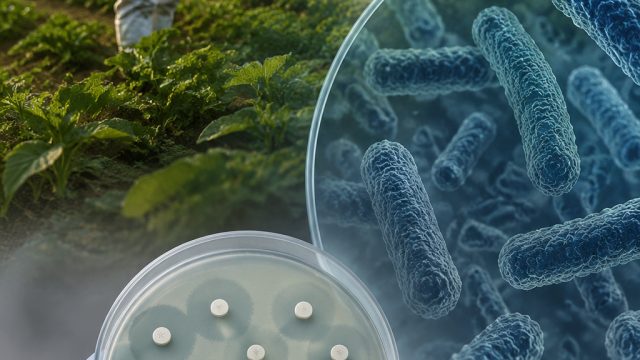
Recent findings reveal a troubling connection between glyphosate, a widely used herbicide, and the emergence of superbugs—strains of bacteria that are resistant to multiple antibiotics. This alarming discovery highlights an urgent need for reevaluation of agricultural practices and their unintended consequences on public health.
Superbugs are a serious global health crisis, leading to thousands of deaths each year. The World Health Organization (WHO) estimates that antibiotic resistance could cause 10 million deaths annually by 2050 if left unchecked. The emergence of these formidable pathogens is partly attributed to the overuse of antibiotics in healthcare and agriculture. However, the recent identification of glyphosate's role in this issue adds another layer of complexity.
Glyphosate is the active ingredient in many herbicides, including the widely known Roundup. It has been used for decades in farming to control weeds, but its long-term effects on the environment and human health are beginning to garner scrutiny. The latest research indicates that glyphosate may not only affect plants but also contribute to the survival of drug-resistant bacteria.
A recent study conducted by a team of researchers explored how glyphosate impacts bacterial resistance. They found that exposure to glyphosate may give certain bacteria a survival advantage, enabling them to withstand antibiotic treatments. This phenomenon raises concerns about the role of agricultural chemicals in the proliferation of superbugs.
Here are some crucial insights from the findings:
This connection between glyphosate and superbugs stresses the necessity for policymakers to rethink regulations surrounding herbicides. The agricultural sector must consider sustainable practices that reduce reliance on chemicals that may inadvertently foster drug resistance.
Here are several strategies that can be employed to mitigate the risks associated with glyphosate use:
The link between glyphosate herbicides and the rise of drug-resistant bacteria is a wake-up call for both agricultural and healthcare communities. As we continue to face the dire consequences of antibiotic resistance, it is imperative to reconsider our reliance on substances that may endanger public health. Stakeholders at all levels—farmers, healthcare providers, and policymakers—must collaborate to create sustainable solutions that safeguard both our crops and our health.
Previous:No more