

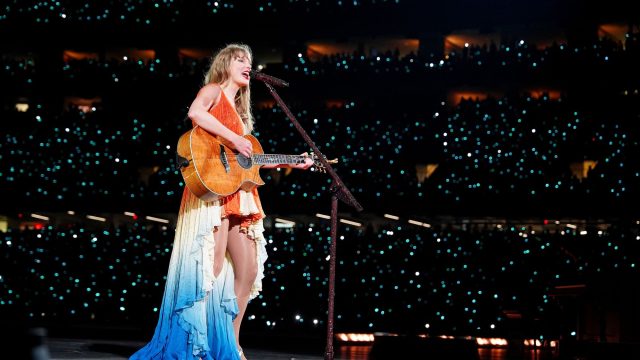
Concerts are meant to be joyous occasions, bringing fans together to celebrate their favorite artists. However, safety issues have increasingly come to the forefront, particularly in Brazil, where the tragic death of a fan due to extreme heat at a Taylor Swift concert raised alarm bells. This incident highlighted the need for venues to prioritize the health and safety of concert-goers, particularly in a country with a warm climate.
The newly introduced legislation, often referred to as the "Taylor Swift Law," mandates that all concert venues must provide free drinking water to attendees. This crucial provision is aimed at preventing dehydration and heat-related illnesses during events, especially during the hot summer months. Furthermore, the law includes stringent penalties for scalpers, making it illegal to resell tickets above face value. This aims to ensure that fans have fair access to tickets and are not exploited during high-demand events.
With the implementation of this new law, there are significant implications for the music industry in Brazil. For one, it sets a precedent for other countries in the region, particularly within the Southeast Asian market, where similar safety concerns have been raised. Countries like Indonesia, with its vibrant music scene in cities like Jakarta, Surabaya, and Bali, may take inspiration from Brazil's proactive approach to concert safety.
Event organizers will now need to incorporate these safety measures into their planning. Venues must have adequate facilities to provide free water and ensure that staff is trained to handle emergencies related to heat. This shift not only protects fans but also enhances the overall concert experience, as attendees can enjoy the event without fear of dehydration or financial exploitation.
While the new law is a significant step forward, it may not come without challenges. Venues might face logistical hurdles in providing free water for thousands of attendees. Additionally, enforcing ticket sale regulations could prove difficult, as scalpers often operate in the shadows. To combat these issues, the government will need to work closely with event organizers and law enforcement to ensure compliance with the new regulations.
Community support for the Taylor Swift Law has been overwhelming. Many fans and advocates have voiced their approval, emphasizing the importance of safe attendance at concerts. Social media campaigns have also emerged, raising awareness about the law and encouraging fans to report scalping instances. This grassroots movement plays a crucial role in holding venues accountable and ensuring that fan safety remains a priority.
The enactment of the Taylor Swift Law represents a significant milestone in concert safety legislation in Brazil. The combination of mandatory provisions for free drinking water and penalties for scalping signals a new era in prioritizing fan safety at music events. As Brazil sets a benchmark, other countries may follow suit, turning the spotlight onto the importance of creating a secure and enjoyable environment for attendees. As the world of live music continues to evolve, this law may well be a catalyst for similar legislation, promoting a culture of safety that prioritizes fans first.
Previous:Transform Your Space for Janma