

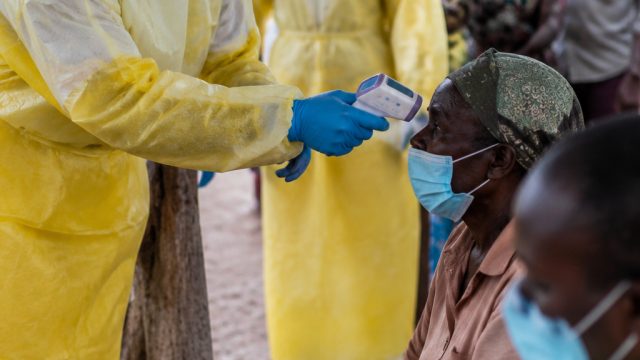
As the world grapples with numerous health challenges, a new crisis has emerged in the Democratic Republic of the Congo (DRC), where Ebola cases have skyrocketed to unprecedented levels. The World Health Organization (WHO) has reported that the DRC has recorded the highest first-month total of Ebola cases in history, signaling a dire need for urgent attention and action.
Since the beginning of this outbreak, over 1,000 confirmed cases of Ebola have been reported. Tragically, at least 254 lives have been lost due to this deadly virus. The rapid spread of the disease is compounded by various factors, including ongoing violence and significant displacement of communities in the affected regions. Health officials are under immense pressure to trace contacts and provide immunizations to curb the outbreak.
Ebola is a viral hemorrhagic fever that can cause severe illness and high mortality rates. It is primarily transmitted through bodily fluids, making it crucial for communities to embrace preventive measures during outbreaks. The symptoms often begin with fever, fatigue, and muscle pain, progressing to severe bleeding and organ failure.
The WHO has highlighted several challenges that hinder effective containment of the Ebola virus:
Vaccination has proven to be one of the most effective tools in combating Ebola outbreaks. The rVSV-ZEBOV vaccine has shown significant efficacy in previous outbreaks, providing protection to individuals at risk. During this current outbreak, health authorities are intensifying efforts to vaccinate frontline workers and high-risk populations to minimize the spread of the virus.
Community involvement is critical in managing and containing the Ebola outbreak. Education and awareness campaigns are essential to inform communities about the virus, its transmission, and preventive measures. Local leaders play a pivotal role in disseminating accurate information and encouraging individuals to seek medical help when symptoms arise.
Here are some essential ways communities can aid in the fight against Ebola:
The current Ebola outbreak in the DRC is not just a local issue; it has global implications. The interconnectedness of our world means that a health crisis in one region can quickly escalate into a broader pandemic if not addressed swiftly. Global health organizations, governments, and communities must collaborate to monitor the situation and provide necessary resources to help the DRC combat this outbreak.
Steps that can be taken globally include:
The alarming rise of Ebola cases in the Democratic Republic of the Congo necessitates a unified response from local communities and the international community. With collaboration, education, and dedicated resources, we can pave the way for effective containment and ultimately safeguard public health. As we witness this crisis unfold, let us remember that our collective responsibility is to act swiftly and compassionately to protect vulnerable populations and curb the spread of this deadly virus.
Previous:New Insights on Vitamin D and