

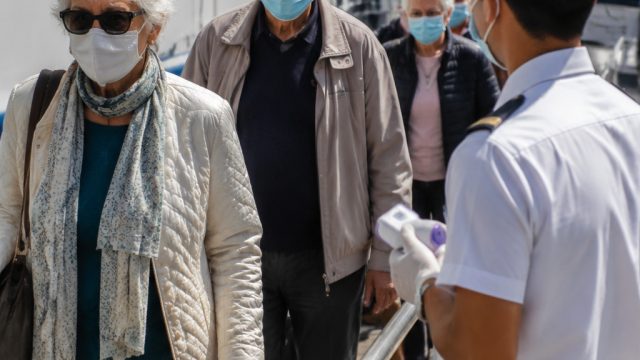
In a significant development regarding public health and travel safety, the quarantine for the last group of Americans affected by the hantavirus has officially concluded. After spending nearly six weeks in a Nebraska facility, these cruise ship passengers have been released, marking the end of a tense chapter in the management of this infectious disease. Here’s an in-depth look at what this situation reveals about preparedness, response, and the evolving landscape of health safety during travel.
The hantavirus, primarily transmitted through rodent droppings, saliva, or urine, can lead to severe respiratory illness in humans. This recent outbreak was notably linked to cruise ship travel, raising alarms about how quickly such diseases can spread in confined spaces. With many passengers being held under quarantine, the situation offered a unique opportunity for health professionals to study containment measures and improve strategies for future outbreaks.
The successful completion of this quarantine not only demonstrates the effectiveness of these protocols but also emphasizes the importance of preparedness in the face of emerging health threats.
This case highlights critical lessons that can be applied to future public health crises. Here are some key takeaways:
Immediate response to potential outbreaks can drastically reduce the spread of infection. The swift decision to quarantine passengers was essential in controlling the hantavirus's potential impact.
Communicating effectively with the public can mitigate fears and misinformation. This incident underscores the necessity of clear communication strategies to keep travelers informed during health emergencies.
The quarantine allowed scientists to gather valuable data on the hantavirus, contributing to ongoing research efforts aimed at understanding and combating such diseases. Continuous monitoring is vital for adjusting health policies accordingly.
As travel resumes and more people venture out, the implications of this quarantine stretch beyond just the passengers involved. Here are several considerations for future travel:
Travelers are encouraged to stay informed about health advisories and understand the risks involved in their journeys. As public health officials and cruise lines work together, we can expect enhancements in protocols to safeguard passengers in the future.
The lifting of the hantavirus quarantine for the last group of cruise passengers represents not only a return to normalcy for these individuals but also serves as a reminder of the evolving nature of public health challenges. As we move forward, it is crucial to integrate the lessons learned from this experience into travel practices and health policies. By remaining vigilant and proactive, we can protect ourselves and others during our journeys. The end of quarantine is just the beginning of a renewed focus on health safety in travel.
Previous:Empowering Women: Combatting M