

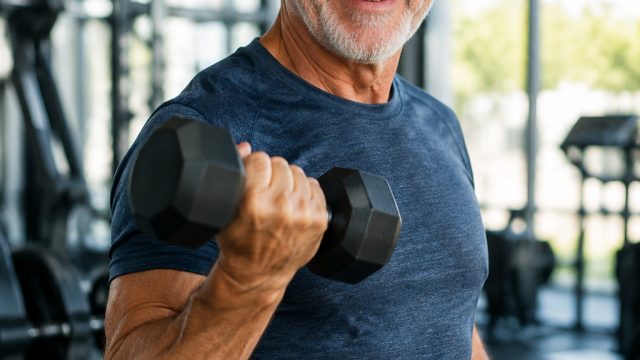
In a recent study spanning over three decades, researchers have unveiled compelling evidence linking strength training with increased longevity. This revelation is particularly significant for older adults aiming to enhance their well-being. As we age, maintaining physical health becomes paramount, and strength training surfaces as a crucial component in promoting a longer, healthier life.
The study tracked participants over 30 years, providing a long-term view of how regular strength training impacts health outcomes. The findings indicate that engaging in consistent resistance exercises can lead to a lower risk of cardiovascular diseases, especially in women. This is critical in today's society, where heart health is increasingly prioritized.
With the increasing focus on fitness, especially for seniors, the urgency to incorporate strength training into daily routines has never been greater. The study’s results serve as a wake-up call for those who may still view strength training as optional or daunting. Here are several compelling reasons to embrace this practice today:
As we age, muscle mass naturally diminishes, which can lead to frailty and decreased mobility. Strength training can combat this decline by:
Physical activity, including strength training, is known to release endorphins—a natural mood lifter. Regular strength training can help in:
Starting strength training can instill a sense of accomplishment and motivate individuals to pursue other forms of physical activity. Consider the following steps to create a sustainable routine:
For those new to strength training, it’s essential to ease into the practice. Here are some tips to incorporate strength training effectively:
If you're just starting, consider bodyweight exercises or resistance bands. Exercises like squats, push-ups, and planks are excellent foundational movements.
Consistency is key. Aim for at least two days a week of strength training, gradually increasing intensity as your body adapts.
Motivation can be significantly enhanced by joining a local fitness class or group. This can also provide social interaction, making the process enjoyable.
In summary, the connection between strength training and longevity is clearer than ever. With rising life expectancies, it is vital to adopt a fitness routine that supports both physical and mental health. Now is the time to prioritize strength training as a powerful tool in extending both quality and quantity of life. Embrace this opportunity—your future self will thank you!
Previous:Unlock Incredible Year-End Sav