

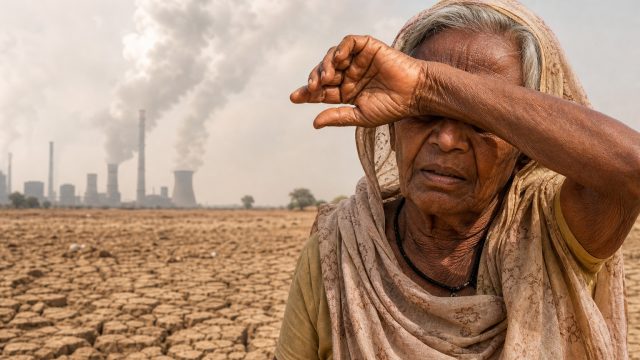
As the consequences of climate change become increasingly evident, its impact on vulnerable populations, especially the elderly, is a growing concern in India. With a significant portion of its population over the age of 60, understanding the health risks posed by environmental changes is more crucial than ever.
Older adults are particularly susceptible to the effects of climate change due to a variety of factors, including pre-existing health conditions, decreased mobility, and social isolation. These vulnerabilities can lead to serious health complications when they encounter extreme weather events, such as heatwaves or floods.
With urbanization and industrialization, air quality in cities across India has deteriorated, presenting a dual challenge for the elderly. Not only does poor air quality lead to immediate health issues, but long-term exposure can have lasting effects, particularly for those with existing respiratory problems.
Governments and local organizations must take immediate action to combat air pollution. Strategies include:
Proactive measures are essential in preparing the elderly population for the inevitable effects of climate change. Social support systems need to be strengthened to ensure seniors have access to resources during extreme weather events.
Building community support networks can significantly enhance the resilience of older adults. Potential actions include:
The Indian government plays a crucial role in addressing the intersection of climate change and public health. Effective policies can mitigate risks and promote a healthier environment for the aging population.
To effectively address these challenges, the following measures are recommended:
The intersection of climate change and public health represents a critical challenge for India, particularly for its aging population. As the country grapples with these changes, swift action is needed to protect our seniors. By prioritizing health, sustainability, and community support, we can work towards a healthier future for all generations.
Previous:Understanding the Rising Cance