

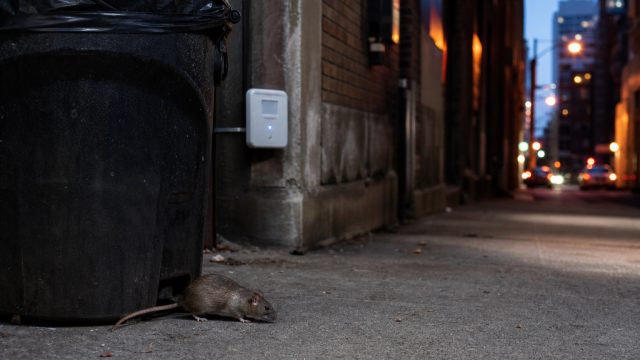
As cities like New York grapple with persistent pest control issues, recent research from Rutgers University highlights a troubling trend among urban rodents. The findings indicate that local mice are evolving to resist conventional pest control methods, presenting new challenges for urban dwellers. This situation emphasizes the need for timely awareness and innovative solutions to tackle the growing problem of rodent resistance.
Rodents have long been a nuisance in urban environments, but recent studies show that these creatures are adapting in surprising ways. Research indicates that mice populations in New York and surrounding areas are developing immunity to common pesticides. This resistance may stem from genetic mutations that allow them to survive exposure to substances that would typically be lethal.
The implications of resistant rodents extend beyond mere irritation for residents. These evolving pests can contribute to health hazards, as they can spread diseases such as hantavirus and leptospirosis. Furthermore, their increased survival rates may lead to burgeoning populations, which increase the competition for resources and space in densely populated urban areas.
New York City’s unique blend of residential, commercial, and industrial spaces creates an ideal habitat for rodents. The interplay of food sources, shelter, and minimal natural predators fosters an environment where mouse populations can thrive. As these rodents adapt, the already significant challenge of managing pests becomes even more complex.
As urban areas continue to see increases in rodent populations, analyzing the effectiveness of past pest control methods is crucial. Researchers are now tasked with finding innovative alternatives that can outsmart these adaptive rodents. Collaboration between pest management professionals and researchers will be vital in developing effective solutions.
While traditional traps and poisons have been the go-to options for pest control, their effectiveness is waning due to resistant rodent populations. Understanding the limitations of these methods is essential for urban planners and pest control experts alike. Exploring biodegradable traps and eco-friendly deterrents may also provide much-needed relief from these growing infestations.
As the issue of resistant rodents continues to escalate, urban residents must remain vigilant and informed. By understanding the evolving nature of pests and advocating for better pest control solutions, communities can combat this growing challenge effectively. The time for action is now; proactive measures can help mitigate the risks associated with urban rodent populations and ensure a safer living environment for all.
Previous:Navigating Medication Risks fo