

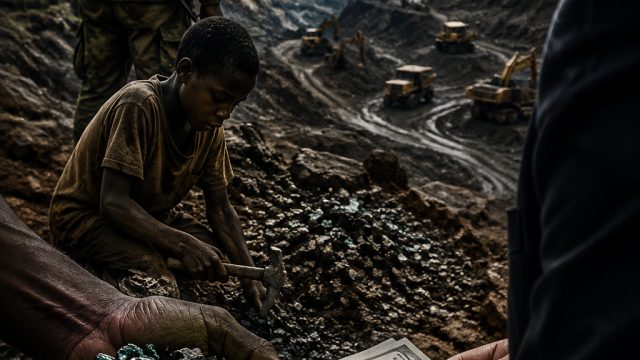
In a world increasingly concerned about the ethical implications of natural resource extraction, recent revelations about the clandestine operations in Congo's mineral-rich eastern region have ignited a wave of interest. Leaked documents shed light on how military contractors associated with Israeli intelligence played a pivotal role in training elite strike forces aimed at controlling these valuable resources. Understanding these connections is crucial, not just for Congo, but for the global market dynamics surrounding minerals.
The Democratic Republic of Congo (DRC) is one of the most mineral-abundant countries in the world. Rich in cobalt, coltan, and diamonds, this nation’s resources are critical to various global industries, from technology to energy. However, this wealth has also attracted a multitude of foreign interests, often with little regard for the local communities or the environmental impacts of extraction.
The documents reveal that Israeli military contractors have been actively involved in training special operations forces in the DRC since at least 2017. These operations not only involve direct military engagement but also strategic guidance on controlling mineral extraction zones. Consequently, this raises questions about the true cost of security and the exploitation of resources.
The intertwining of military operations with corporate interests has created a complex web of influence. Notably, the involvement of Israeli contractors underscores a broader trend where external powers leverage local conflicts to secure their resource needs. This dynamic often leads to:
As the world shifts towards a greener economy, dependence on minerals like cobalt and coltan will only increase. The actions of foreign contractors in Congo could have far-reaching implications for global supply chains and market stability. Investors and businesses must consider the ethical dimensions of their supply sources.
To mitigate potential risks arising from these covert operations, businesses should:
The intricate relationship between military contractors and resource extraction in Congo presents a sobering reality about the lengths to which external powers will go to secure resources. As the world grapples with the consequences of exploitation, it is imperative for businesses, investors, and policymakers to advocate for ethical engagements that prioritize human rights and environmental sustainability. Only then can the wealth of the DRC be harnessed to benefit its people rather than further entrenching cycles of conflict and exploitation.
Previous:Escalating Tensions: Global Re