

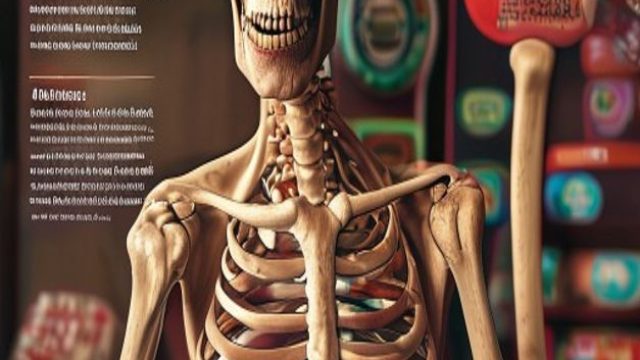
As we age, maintaining strong bones becomes increasingly vital for overall health and mobility. However, many misconceptions about bone health persist, leading to confusion and potentially harmful choices among seniors. Addressing these myths is crucial for fostering better health practices. Here, we will explore the most common myths surrounding bone health and shed light on the current facts that every senior should know.
Bone health is not merely a concern of the elderly; it should be a lifelong focus. Bones are living tissues that undergo continuous remodeling, influenced by diet, exercise, and age. Here are some fundamental aspects of bone health:
One of the most pervasive myths is that osteoporosis is a guaranteed outcome of aging. While the risk of developing osteoporosis increases with age, it is not a predetermined fate. Factors such as lifestyle choices, diet, and genetics play a significant role. Engaging in regular exercise and ensuring adequate nutrition can mitigate these risks.
Many individuals believe that the only way to get calcium is through dairy products. However, there are plenty of non-dairy sources rich in calcium, including:
These alternatives make it easier for seniors with lactose intolerance or dietary restrictions to maintain adequate calcium levels.
Another misconception is that seniors should minimize physical activity to avoid injury. On the contrary, regular exercise strengthens bones and muscles. Appropriate exercises include:
Before starting any new exercise regimen, seniors should consult with their healthcare provider to ensure safety and appropriateness.
Addressing these myths is especially pertinent today as more seniors are seeking ways to maintain their independence and quality of life. With the rise of digital wellness information, it is easier than ever to access both credible and misleading health advice. Therefore, it is essential to discern reliable sources that provide accurate, evidence-based information on bone health.
Additionally, many seniors might not engage in discussions about their bone health with healthcare professionals, leading to a lack of awareness regarding preventive measures. This can have a detrimental impact on their quality of life, increasing the risk of fractures and other complications associated with weakened bones.
To empower seniors in taking charge of their bone health, consider these strategies:
As we continue to learn more about senior wellness, it is imperative to challenge and correct the misconceptions surrounding bone health. By providing accurate information and promoting healthy habits, we can help seniors maintain strong bones and lead vibrant lives. Remember, it’s never too late to start making positive changes for better bone health.
Previous:New Study Reveals Link Between