

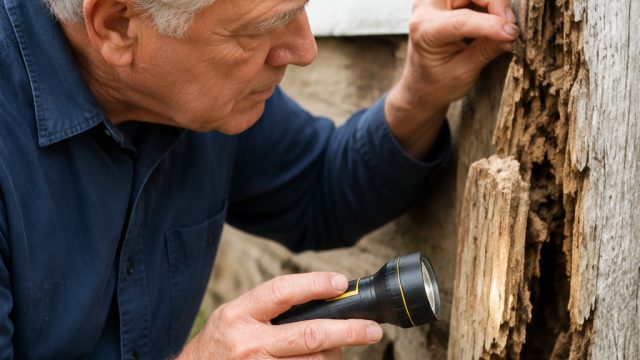
As a vital part of maintaining a safe and healthy home, homeowners must stay vigilant against wood-destroying insects. These pests can stealthily compromise the structural integrity of a home, leading to costly repairs and safety hazards. Recent trends indicate that infestations are on the rise, making it crucial for homeowners to educate themselves on how to protect their properties effectively.
Wood-destroying insects typically include termites, carpenter ants, and wood-boring beetles. Each species poses unique challenges for homeowners, and understanding their behaviors and habitats is vital for prevention.
Termites are perhaps the most notorious wood-destroying insects. These pests create colonies that can expand rapidly, causing extensive damage before signs of an infestation become visible. Notably, subterranean termites are the most common in the U.S., often tunneling through the soil to reach wooden structures.
While carpenter ants do not consume wood in the same way termites do, they excavate it to create nests, which can lead to significant structural damage. Unlike termites, carpenter ants prefer moist, decaying wood, making it essential to address any sources of water damage in your home.
These insects lay eggs in wood, and upon hatching, their larvae tunnel through timber, causing damage as they develop. Common types include powderpost beetles and old house borers, which thrive in both new and old wooden structures. Homeowners should regularly inspect wood items, especially antique furniture or beams, for signs of infestation.
Recognizing the signs of wood-destroying insects early can save homeowners from extensive damage. Here are some indicators to watch for:
Prevention is the best approach to manage wood-destroying insects. Here are effective strategies to safeguard your home:
Since many wood-destroying insects thrive in moist environments, it’s essential to keep your home dry. Fix any leaks, install proper drainage systems, and ensure that gutters and downspouts direct water away from the foundation.
Routine inspections by a professional pest control service can help catch infestations early. Additionally, do your own checks, particularly in areas prone to moisture, like basements and attics.
Consider using chemical treatments or barriers that deter wood-destroying insects. Borate-based treatments are effective against termites and can be applied during construction or renovation. Regular treatments can also provide ongoing protection.
If you store wood for any purpose, ensure that it is stored off the ground and covered. This limits exposure to moisture and potential insect infestations.
The threat of wood-destroying insects is one that cannot be taken lightly. Homeowners must remain vigilant, conduct regular inspections, and pursue proactive prevention measures. By staying informed about the types of pests that pose a threat to your home and recognizing the signs of infestation early, you can protect your property from the damaging effects of these hidden invaders. Taking action now ensures your home remains a safe and sturdy shelter for years to come.
Previous:Embracing Creative Aging: A Vi