

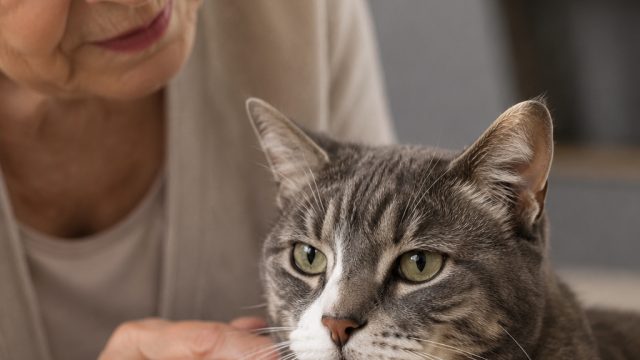
As our beloved pets grow older, they often face health challenges similar to those that humans encounter during the aging process. Recent studies have begun to reveal that aging cats may hold valuable clues for understanding neurodegenerative diseases like Alzheimer's and Parkinson's. This correlation is not just a curious observation; it could lead to breakthroughs that enhance our approach to managing these complex conditions.
Cats, particularly as they age, exhibit various behavioral and physiological changes that mirror the effects of aging in humans. This resemblance poses an intriguing question: can studying these feline changes help us understand similar processes in human brains?
Neurodegenerative diseases are characterized by the progressive degeneration of the structure and function of the nervous system. In humans, these diseases often manifest in cognitive decline, memory loss, and a decreased ability to perform everyday tasks. By observing aging cats, researchers can pinpoint specific markers of neurodegeneration that could potentially be applicable to human studies.
The urgency of this research cannot be overstated. As the global population ages, the prevalence of neurodegenerative diseases is rising. In fact, according to the World Health Organization, the number of individuals living with dementia is expected to reach 152 million by 2050. Therefore, finding effective preventive and therapeutic strategies is crucial.
As researchers delve deeper into these studies, they have noted several specific areas of interest:
Much like Alzheimer's in humans, cats can suffer from Cognitive Dysfunction Syndrome (CDS), which results in confusion, disrupted sleep patterns, and altered interactions with their owners. By investigating CDS in cats, researchers can draw parallels with human cognitive decline.
Diet plays a significant role in the health of both cats and humans. Studies focused on feline nutrition and its effect on brain health might uncover dietary strategies that could benefit older adults at risk for neurodegenerative diseases.
Creating stimulating environments for aging cats has been shown to improve their cognitive function. This concept could translate into practices that promote mental engagement for older adults, helping to stave off the cognitive decline associated with aging.
The relationship between aging cats and human brain diseases offers an exciting frontier in neuroscience. As we gain more insights from these furry companions, we may uncover new methodologies for diagnosing and treating neurodegenerative diseases in humans. The intersection of veterinary science and human medicine highlights the importance of interdisciplinary research in addressing some of the most pressing health concerns of our time.
As we continue to explore this fascinating connection, it becomes increasingly clear that caring for our pets can also lead us to better understand ourselves. Stay tuned for more updates on this evolving field!
Previous:The Power of Aging: How Senior