

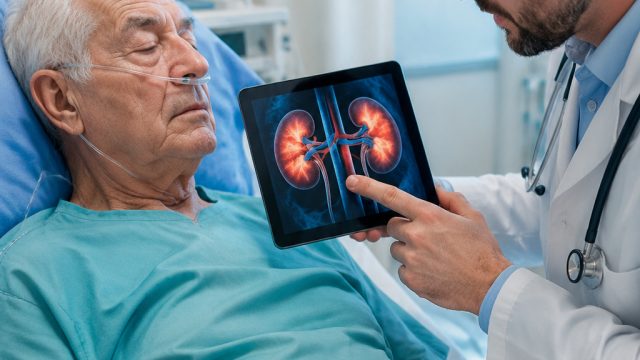
As the population of older adults continues to grow, understanding the complexities of their health becomes increasingly crucial. One of the significant health challenges faced by elderly patients in the ICU is the risk of severe sepsis leading to kidney injury. This issue is particularly pressing given the aging demographic and the rising incidence of sepsis among seniors. Recent studies have shed light on predicting kidney injuries associated with sepsis, offering new insights that could transform ICU care.
Kidney injury is a common and serious complication of sepsis, especially in elderly patients who often possess multiple comorbidities. Sepsis can lead to a cascade of inflammatory responses that may compromise kidney function. Identifying patients at high risk for severe sepsis and subsequent kidney injury is vital for improving outcomes and can help healthcare providers implement preventative strategies effectively.
Research indicates that certain factors can increase the likelihood of severe sepsis in elderly patients. Key indicators include:
By closely monitoring these factors, healthcare professionals can better assess which patients might develop kidney injury due to sepsis. Early intervention is essential, as it can significantly alter the patient’s prognosis.
New predictive models and tools are emerging that can help identify patients who are most at risk for developing severe sepsis and kidney injury. These models often incorporate clinical data, lab results, and other health markers to provide a comprehensive risk assessment. Using artificial intelligence and machine learning, these tools promise to enhance accuracy in predicting outcomes.
The timely identification of at-risk patients can lead to immediate interventions that may prevent or mitigate kidney damage. Some best practices include:
These measures are crucial in managing sepsis effectively and safeguarding kidney health in vulnerable populations.
Caregivers and family members play a pivotal role in the management and prevention of severe sepsis in the elderly. Educating caregivers on the signs and symptoms of sepsis can lead to quicker medical responses. Empowering them with knowledge helps ensure that seniors receive timely treatment when they exhibit potential sepsis symptoms, such as:
Additionally, caregivers should be attentive to changes in the elderly patient’s health status, which may indicate deteriorating conditions requiring immediate attention.
The landscape of healthcare is evolving, and with it, the approaches to managing sepsis in elderly patients. Ongoing research will continue to refine predictive models, allowing for more personalized treatment plans. As healthcare providers become more adept at anticipating kidney injury risks associated with sepsis, the overall care for elderly patients will improve, leading to better health outcomes and quality of life.
In conclusion, understanding the risks of kidney injury from severe sepsis in elderly patients is crucial for healthcare providers and caregivers alike. By leveraging predictive tools, ensuring timely interventions, and empowering caregivers, we can make strides toward improving the health outcomes for this vulnerable population. The time to act is now—early detection and intervention can be lifesaving.
Previous:How Aging Cats Could Provide I